

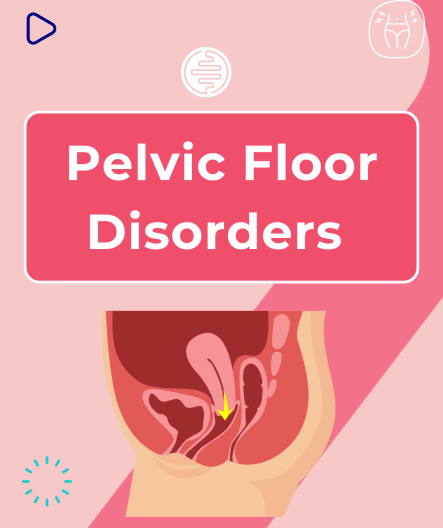
It is quite likely that you or a woman you know suffers from a pelvic floor disorder. Women can often be very private and find it embarrassing to talk about pelvic floor disorders. Here at The Gut Experts we are passionate about breaking down the stigma surrounding women’s health issues.
The pelvic floor describes the hammock-like structure of muscles and ligaments that support the pelvic organs. The pelvic organs of women include the uterus, bladder, vagina and rectum.
Pelvic floor dysfunction occurs when the pelvic floor becomes weakened or injured. This can cause discomfort when urinating, constipation, pain in the lower back, loss of bladder and bowel control, and altered sexual function.
What Causes Pelvic Floor Disorders?
The risk of pelvic floor disorders increases with factors such as:
-
Pregnancy and childbirth
-
Age
-
Obesity
-
Chronic constipation
-
Repetitive heavy lifting
What are The Symptoms of Pelvic Floor Disorders?
-
Pelvic pain
-
Pressure in the pelvic area
-
Difficulty controlling bladder/bowel motions
-
Feeling of ‘blocked’ bowel motion
-
Urinary and faecal incontinence
-
Pain during intercourse
There are several different conditions that can affect pelvic floor function, including:
Rectocele:
This is a bulge or pouch-like structure in the front wall of the rectum which pushes forwards into the vagina. When someone with a rectocele strains, stool may get caught in this pouch and this prevents them from emptying the rectum completely. This leads to the feeling that only some of the bowel motion has passed, often referred to as incomplete evacuation. This can also lead to leakage of the remaining stool after a bowel movement.
Pelvic Floor Prolapse:
Sometimes the pelvic floor becomes weakened, particularly after vaginal deliveries or menopause. This can cause the muscles to sag, and the bladder, womb and rectum can all dip downwards as a result. This can lead to a very uncomfortable feeling of pressure low down in the pelvis or a feeling of something coming down in the vaginal area.
Obstructed Defecation:
This is the feeling of difficulty passing stools out of the rectum. You may feel that you need to go the bathroom more often, or that you cannot empty your bowel completely. Obstructed defecation may be caused by pelvic floor prolapse, pelvic pain, or a rectocele, among other things. Passing a bowel motion may feel like trying to push against a closed door.
Faecal Incontinence:
This is the accidental leakage of faces. Faecal incontinence can be partial, in which only a small amount of stool leaks, usually when passing gas or complete where an entire bowel movement is evacuated uncontrollably. This can be a very embarrassing situation and patients usually wait a long time before speaking to their doctor about it.
IBS and The Pelvic Floor
Pelvic floor dysfunction can be associated with both constipation and faecal incontinence. These are also both symptoms of IBS. This means that pelvic floor dysfunction can further aggravate symptoms of IBS. If the symptoms described above sound familiar, you should not dismiss them as ‘just symptoms of your IBS’, it may in fact be a pelvic floor disorder.
How are Pelvic Floor Disorders Managed?
-
Get the right diagnosis. If you feel that you have symptoms to suggest any of these conditions, you should make an appointment to see your GP to discuss them. Women can often be very private and find themselves embarrassed talking about their digestive functions, in particular incontinence. But know that you are not alone, please don’t be embarrassed to speak about it to your doctor
-
Pelvic floor physiotherapy
-
Kegel exercises
-
Posture. Get the right posture for passing bowel motions.
-
Medications may help to improve bowel motions
-
Surgery may be necessary for a minority of people


